TCN has declared force majeure after flooding knocked out Oworonshoki substation on July 1, 2026. Here is what it means for power supply in Lekki, Oniru and Lagos Island, and what residents can do about it today.
LIVE SITUATION: Power supply to Lekki, Oniru and parts of Lagos Island is severely disrupted. This article explains why and what to do.
What Happened
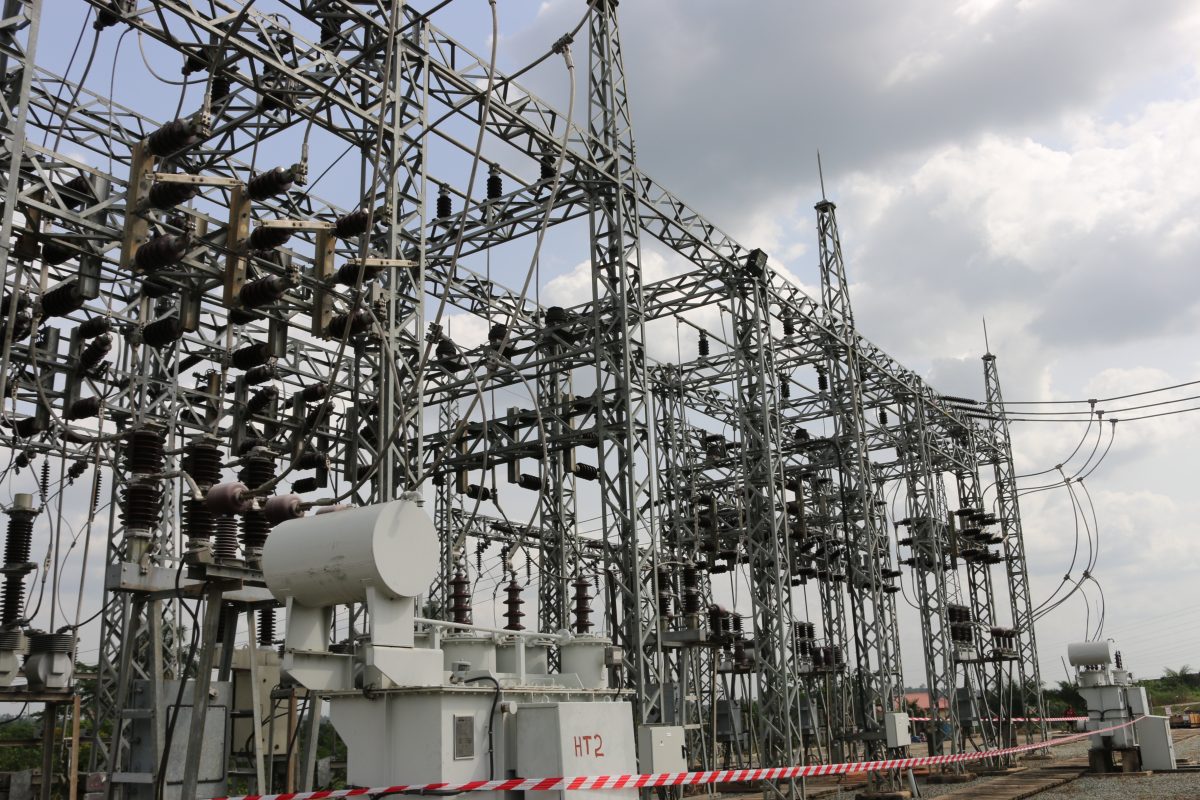
On July 1, 2026, the Transmission Company of Nigeria (TCN) declared a formal force majeure on two of Lagos's critical transmission substations: the Oworonshoki 132/33kV substation and the Lekki 330/132kV substation.
The cause is flooding. Continuous heavy rainfall across Lagos has pushed floodwater into the Oworonshoki substation compound to the point where two power transformers a 60 Mega Volt Ampere unit (TR1) and a 30 Mega Volt Ampere unit (TR3) have both tripped and cannot be restored while the water remains.
TCN's official statement confirmed that all power protection and control cables for both transformers are currently submerged.
In plain terms: one of the main substations supplying electricity to Lekki and Lagos Island is completely out of service, and TCN's engineers cannot fix it until the floodwater is pumped out which cannot happen while it continues to rain.
⚠️ Force Majeure Explained: TCN declared force majeure, a legal and operational term for an extraordinary event completely outside human control.
In practice, it means TCN is not liable for the outage and there is no guaranteed timeline for restoration.
What It Means for Lekki and Oniru Residents
The Lekki 132kV substation is still partially operational, with TCN workers continuously pumping water to keep it running.
But with Oworonshoki completely dark and Lekki under stress, the supply reaching homes and businesses in Lekki, Oniru, Victoria Island and surrounding areas is significantly reduced.
What this looks like on the ground:
Extended and unpredictable blackouts, more frequent and longer than usual
Even buildings on Estate or Government feeders that normally have better supply will feel the strain
Generator fuel consumption will spike sharply for any household or business relying on gen sets
There is no public restoration timeline. TCN's statement says work is ongoing but the rain must stop first
The honest answer to 'when will power come back?' is: nobody knows yet.
This depends entirely on when the rainfall stops and how quickly engineers can pump out the Oworonshoki compound and test the damaged transformers.
What You Can Do Right Now
If you have been meaning to sort your power backup situation and have been putting it off, this is the moment to stop waiting.
1. If You Are On Generator Alone
You are facing an expensive and unpredictable few weeks. Generator fuel costs in Lagos spike during prolonged grid outages as demand surges and diesel supply tightens.
Running a generator 12 to 18 hours a day during this period is going to cost significantly more than it did last month.
The practical immediate step is to audit what you are actually running on that generator. Identify high-consumption appliances that can be switched off or run on schedules, and consider whether a solar panel system with a battery inverter could take your most important loads lighting, fans, phone charging, a router completely off the generator.
2. If You Have an Inverter With No Solar
Your inverter is currently charging from grid power that may be absent for days at a time.
Without solar panels feeding the battery during the day, your inverter is cycling between partial charges and flat batteries.
Adding even a basic solar array significantly changes this equation: the battery charges from the sun regardless of what TCN is doing.
3. If You Have No Backup at All
This is the time to get serious. A basic inverter and battery combination that keeps your lights, fans, and essential devices running is no longer a luxury in Lagos.
The question is the right system size for your needs and budget.
Banex Mall has solar and inverter vendors on site right now who can advise you, show you real equipment, and give you a quote without obligation.
No need to call ahead, walk in.
Why This Is Bigger Than One Rainstorm
Lagos's power infrastructure faces a recurring pattern: aging substations and distribution equipment built for a much smaller city struggling to serve a population that has grown dramatically faster than the grid. Flooding events that previously caused manageable disruptions are now causing extended outages because there is little redundancy in the system.
What happened at Oworonshoki on July 1 is likely to happen again.
The 2026 rainy season has months left to run. Residents and businesses in Lekki and Lagos Island who make a backup power decision during this outage are solving not just today's problem but next month's and next year's.
What Banex Mall Is Doing
Banex Mall remains open and operational.
Our vendors are on site and ready to assist Lekki and Lagos residents who need solar panels, inverters, batteries, and installation advice today.
If you are in Lekki, Oniru, Victoria Island, or anywhere on Lagos Island that is feeling this outage, Banex Mall is a practical first stop.
You can speak directly with specialists who know Lagos's power situation, compare products in person, and get real numbers not a quote form that goes unanswered for a week.
Visit Eva Chek Energy, North Building 3rd Floor — Solar, inverter and energy vendors in-store now.
Stay Updated
We will update this article as TCN releases further information on the Oworonshoki and Lekki substation restoration timeline. Follow Banex Mall on social media for real-time updates as this situation develops.

No comments yet. Be the first to share your thoughts!